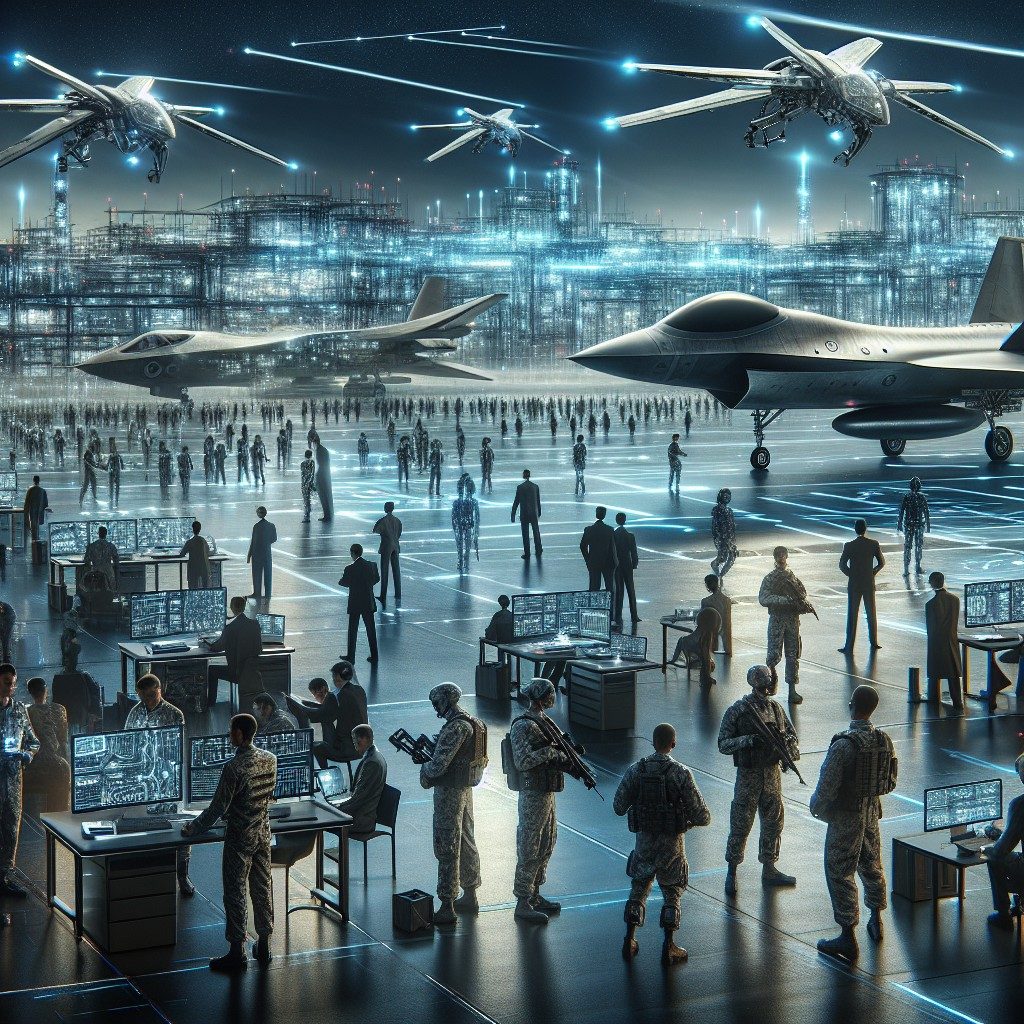
As geopolitical tensions and security challenges evolve, Europe is placing increasing emphasis on defense technology to strengthen its strategic capabilities. Cutting-edge innovations in military tech are shaping the continent’s defense posture as it navigates complex threats in an unpredictable global environment.
Emerging Technologies Redefining European Defense
Recent advances in robotics, artificial intelligence, cyber defense, and unmanned systems have generated significant momentum in Europe’s defense sector. Autonomous drones and AI-driven decision support systems are streamlining operations and enhancing real-time response. The integration of these technologies into existing frameworks aims to increase the effectiveness of military assets while reducing risks to personnel. Governments and defense organizations across Europe are investing heavily in research and development to leverage these tools for strategic advantage.
Cybersecurity and Electronic Warfare
One of the most critical areas of investment is cybersecurity, as European nations confront an escalating number of cyber threats targeting infrastructure and defense networks. Innovations in defense technology include advanced encryption techniques and AI-enabled intrusion detection systems designed to safeguard sensitive information. Electronic warfare capabilities are also advancing, enabling forces to disrupt or neutralize adversarial communication and radar systems effectively.
Collaborative Defense Programs and Technology Standardization
Europe’s defense innovation landscape is marked by growing collaboration between countries and private sector stakeholders. Initiatives such as the European Defence Fund promote joint development of technologies to ensure interoperability among allied forces. Standardizing technology platforms across nations enhances the speed and efficiency of joint missions. This cooperative approach reduces duplication of effort, fosters innovation, and optimizes procurement processes, laying the groundwork for a cohesive European defense strategy.
Challenges in Implementing Cutting-Edge Defense Technology
Despite promising developments, integrating advanced defense technology across diverse military branches encounters challenges, including budget constraints, regulatory hurdles, and varying levels of technical expertise. Modernizing legacy systems to accommodate new technologies requires significant adaptation and training. Moreover, ethical considerations around autonomous weapon systems and AI deployment necessitate clear policy frameworks to balance innovation with responsible use. Addressing these issues is essential to realize the full potential of technological advancements within European defense.
Impact on Europe’s Long-Term Security Outlook
Defense technology innovations are poised to reshape Europe’s security calculus by enhancing deterrence and operational flexibility. As threats diversify—from hybrid warfare to state-sponsored cyberattacks—the ability to quickly adopt and implement new technologies provides a strategic edge. Continued investment and collaboration in defense technology are likely to reinforce Europe’s defense capabilities and ensure preparedness in the face of emerging security challenges.
Frequently Asked Questions about defense technology
What role does defense technology play in Europe’s security strategy?
Defense technology is central to enhancing operational capabilities, enabling rapid response, and maintaining strategic deterrence for European security forces against evolving threats.
How is artificial intelligence influencing defense technology developments?
Artificial intelligence is transforming defense technology by improving data analysis, decision-making processes, and enabling autonomous systems that increase efficiency and reduce human risk in military operations.
Why is cybersecurity a significant focus in defense technology for Europe?
Cybersecurity is critical because modern defense operations increasingly rely on digital systems vulnerable to cyberattacks; advanced defense technology helps protect essential infrastructure and sensitive information.
What benefits do collaborative defense technology programs offer European countries?
Collaborative programs enhance interoperability, foster innovation, reduce costs through shared investments, and strengthen collective security by unifying technological advances across member states.
What challenges affect the adoption of new defense technology in European militaries?
Challenges include limited budgets, the complexity of integrating new systems with existing equipment, regulatory hurdles, and the need for training personnel to effectively use advanced defense technology.